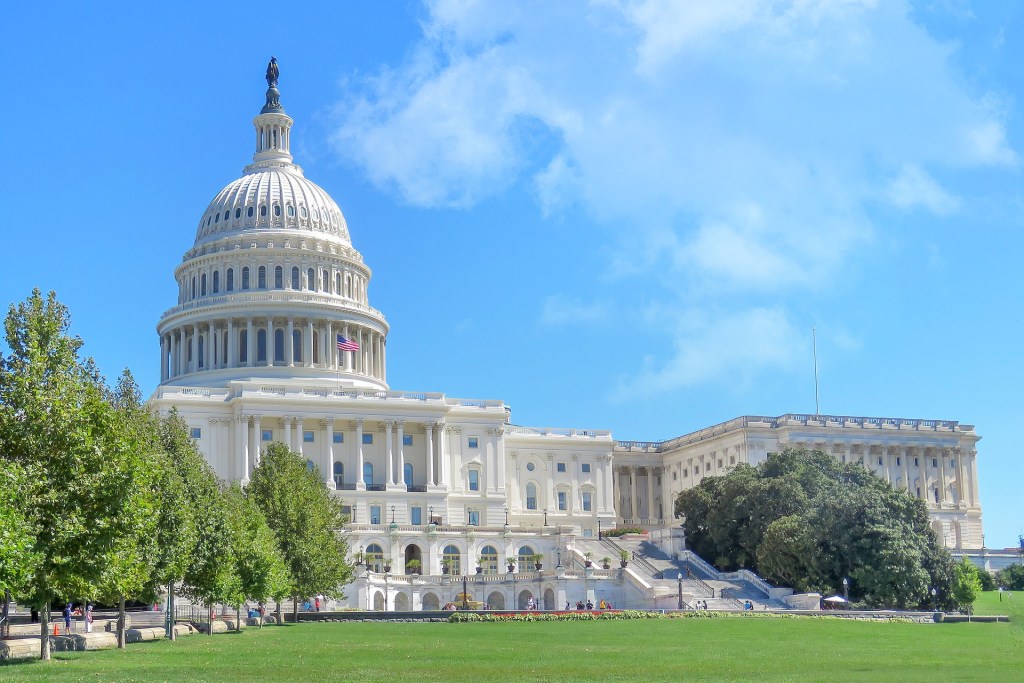
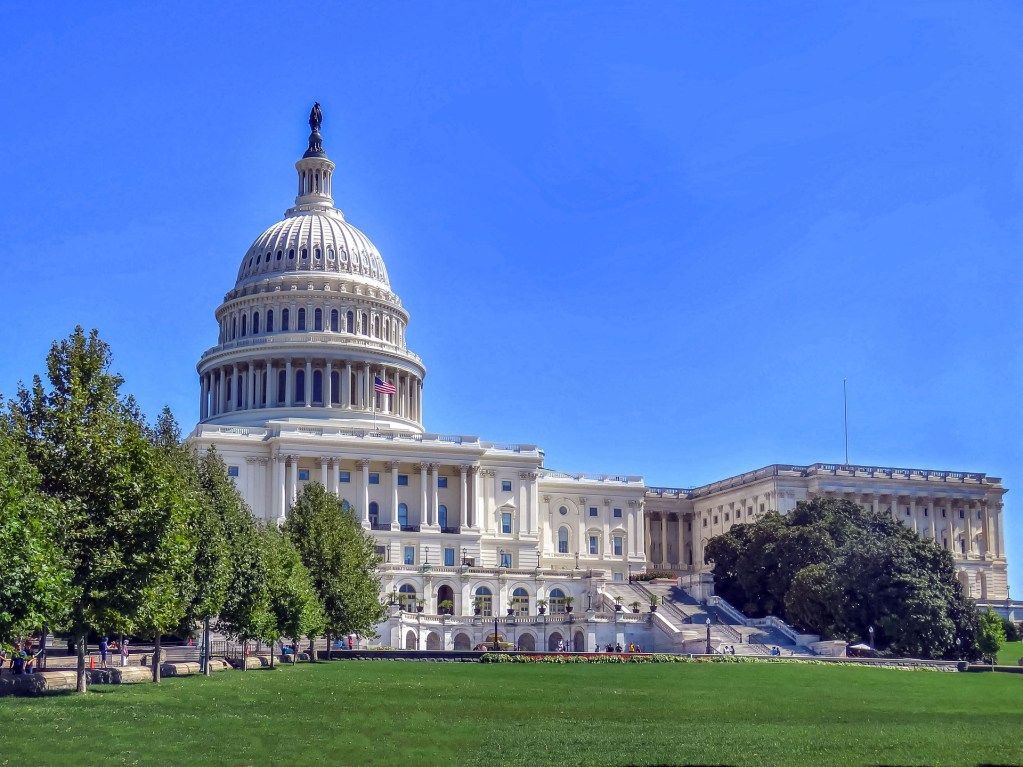
Trump 2.0: Cabinet Appointments

Three Highly Controversial Nominations

At first, some of Trump’s proposed cabinet appointments seemed plausible; Marco Rubio for State, and Elise Stefanik for the United Nations. I have reservations about both of these appointments based on their weakness on American support for Ukraine, but that is part of Trump’s world view so we had to expect that his appointments would share it. His proposed appointment of Matt Gaetz as Attorney General, Tulsi Gabbard as National Intelligence Director, and Robert Kennedy as Secretary of Health and Human Services are appalling. Matt Gaetz is a distressing choice as nominee for the crucial position of Attorney General. My suspicion is that Trump was frustrated by the ethical qualms of his first two Attorneys General, Jeff Sessions and William Barr. These men may have had unimpeachable conservative credentials, but they failed the test of unquestioning loyalty to Trump. I suspect that Trump thought, for some reason, that Matt Gaetz would have lower ethical standards. Can’t imagine why he would have thought that. Tulsi Gabbard is thought of, in some circles, as a Russian dupe or asset. Those are pretty serious charges, which may or may not be true. Why would anyone who was suspected of Russian sympathies be nominated to the role of National Intelligence Director? Not surprisingly, Russia has already praised both the Gaetz and Gabbard nominations. Kennedy is notorious for spreading disinformation about vaccines. So does that make him the logical choice for Secretary of Health?

Why Would Trump Nominate These People?

I think part of the reasoning behind these nominations was simple payback. Gabbard and Kennedy allowed Trump to say that former Democrats supported him, so pay no attention to those notable Republicans who were endorsing Harris. I also think that all three of these nominations are meant to shake the tree of the federal professional workforce. I suspect that there are many senior and mid-level professionals in the federal government who will retire or resign from their posts rather than report to these people. The result could mean a rapid and voluntary evisceration of the “deep state” that Trump despises so deeply. I also think that Trump feels that by nominating some extremely outrageous people he can deflect attention from what would otherwise be controversial but not absurd nominations. He may be right about that. In addition, Trump may also be testing just how far he can push the Senate. Finally, all of these nominations will endear Trump to Putin. If the Senate says “no way,” as I sincerely hope they will, Trump can say to Putin that he tried.

Cabinet Appointments and the Senate

Trump has asked the new Senate Majority Leader, John Thune, to allow him to make “recess appointments” that bypass the need for consent from the Senate. One can only hope that Thune will turn down this request. I suspect that if Trump really wanted this request to be granted he would have opted for less controversial appointments. If Thune gives Trump a free hand, it will strip the Senate of one of its most crucial powers. I would say this is “unthinkable,” but that sounds like the character in the movie “The Princess Bride,” who kept saying that everything was “inconceivable” even though those things were clearly conceivable.

Many Republican Senators may feel like caving to Trump because they fear being primaried during the next election cycle. I would remind these folks that a third of the electorate is centrist. If they cave to Trump on these absurd and dangerous appointments, they will face near certain defeat in the general election. Caught between the devil and the deep blue sea, they should do the right thing and reject these nominations. They could have avoided this dilemma by voting to convict Trump during the impeachment trial, but they chose the “safe” path. The point of having power is to use it when it matters. It mattered then and it matters now!

Trump 1.0 vs. Trump 2.0

Some of my friends held their noses and voted for Trump, because “the Democrats were so much worse.” They often said “how bad can he be, we already had four years of Trump.” To those folks I would like to note the difference between these nominations and Trump’s nominations during his first term: Jeff Sessions and William Barr at Justice vs. Matt Gaetz; Dan Coats vs. Tulsi Gabbard for Director of National Intelligence; and Tom Price vs. Robert Kennedy for Health and Human Services. None of these first term nominations would have been my choice for these positions, but none of them are as bad as the current slate. I would hope that after the euphoria of success wears off, a feeling of regret will overcome the “how bad can he be” Trump supporters.

Other Nominations

As time goes on, I am confronted with other controversial nominations that deserve comment. Among these are: Mike Huckabee for Ambassador to Israel; Stephen Miller, Deputy White House Chief of Staff for Policy; Tom Homan as “Border Czar”; Lee Zeldin at the Environmental Protection Agency; Steven Witkoff as Special Envoy to the Middle East; John Ratcliffe at the CIA; Pete Hegseth at Defense; and Kristi Noem at Homeland Security. All of these nominations deserve a separate focus. Each is troublesome in its own way. Some do not require Senate confirmation. I will attempt to comment on them in subsequent posts.

If you have a reaction to what I have said above or have something that you would like to add, please comment at the bottom of this post.
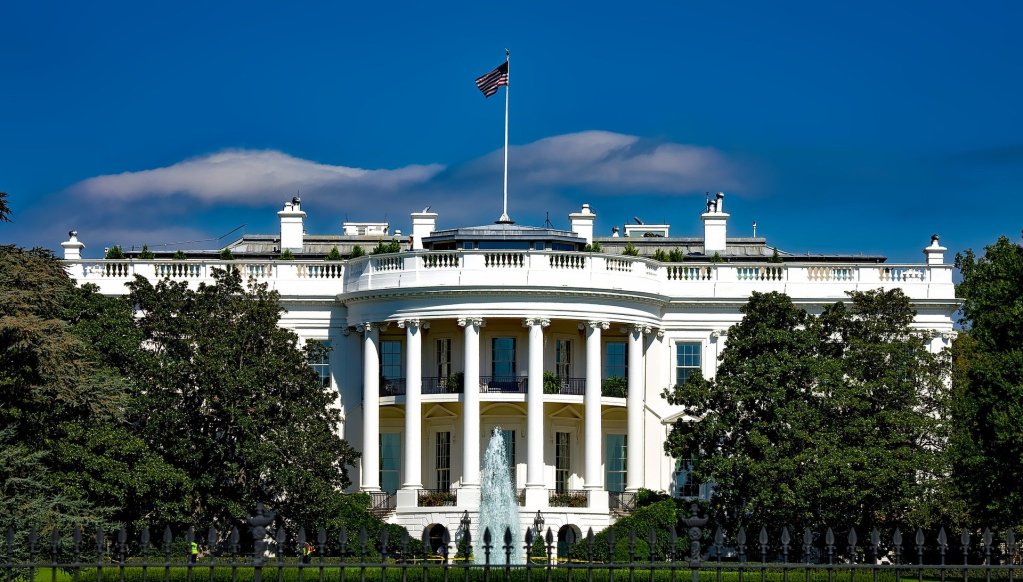
Trump 2.0: Foreign Policy

Trump and Foreign Policy

There is no area of Trump’s second term in office that worries me more than his impact on U.S. foreign policy. Trump’s tag line on this is “America First.” It is not clear at all that this tag line really helps explain his positions, since in my view many of them run starkly counter to long-term U.S. national interests. I will take them one at a time. The key areas include: Ukraine, NATO, Israel, and Taiwan.

Ukraine

Trump claims he will end the war in Ukraine even before he takes office. What I think he means is that Trump’s obvious antipathy to aiding Ukraine will force them to accept Putin’s terms for ending the conflict. Putin will, of course, demand control over all of the Ukrainian territory he currently occupies, and demand guarantees that Ukraine will not seek to be admitted to NATO and possibly even the European Union. If Putin gets that agreement, he will merely pause the conflict until he has time to rearm and then proceed to swallow the rest of Ukraine when he gets the chance. The only alternative for Ukraine to retain notional independence will be to become a vassal state like Belarus, doing Putin’s bidding and selecting leaders he approves of.

NATO

The only difference between the various Eastern European countries that were once part of the Soviet Union, or part of the Warsaw Pact, and Ukraine, is that many of these states now belong to NATO. Putin has indicated a desire to directly or indirectly regain control over these countries and enlarge the Russian Empire. Trump has indicated a willingness to withdraw from NATO and has invited Russia to attack those members who are not living up to there defense expenditure commitments. The best face that can be put on these comments from Trump is that they are transactional and meant to force these countries to increase their defense expenditures. The worst face is that he really wants to see the collapse of NATO and is indifferent to Putin’s ambitions in Eastern Europe. In some ways it does not matter what he really wants. His words weaken the alliance and tempt Putin toward further aggression. In the absence of a firm commitment on the part of the U.S. to the NATO alliance, we can expect some of those states to hedge their bets and accommodate Russian ambitions. This is a nice example of why the business skill of extracting financial concessions in negotiations with people you never have to do business with again is a poor training ground for foreign policy.

Israel

The current conflict in the Middle East between Israel, Hamas, Hezbollah, and Iran gave Trump a wedge to weaken the Democratic Party. Putting aside the strategic and humanitarian issues, the conflict created domestic political problems for Harris and the Democrats. Voters of Palestinian descent were a key voting block in Michigan and Michigan was important, if not essential, for a Harris victory. Members of the Progressive Left also had outsized sympathy for the Palestinian cause. American Jews have traditionally been loyal supporters of the Democratic Party. It was difficult for Harris and the Democrats to give full throated support for Israel without offending Democrats sympathetic to Palestine. It was also difficult for Harris to empathize with the Palestinian cause without offending American Jews. In the end, she tried to thread the needle, which satisfied few. Trump, for his part, was able to embrace Netanyahu’s moves without reservation which made him appear more authentic, even to those who did not care about the issue.

I am not smart enough to know what the right strategy is for Israel. I do know that unquestioning defense of Israel’s actions regardless of the humanitarian consequences will adversely affect America’s position with other countries from Pakistan to Indonesia. It is not at all clear to me how Trump’s position on this issue squares with the “America First” tag line.

Taiwan

During the Nixon administration, the United States began the process of improving relations with the People’s Republic of China. As part of that process, the United States acknowledged the Chinese position that there is only one China and that Taiwan is part of China, but it did not formally recognize Chinese sovereignty over Taiwan. Formal diplomatic recognition of the People’s Republic of China came later, under President Carter, in 1979.

Since then, the United States has maintained a deliberately ambiguous policy. We recognize the People’s Republic of China as the sole legal government of China, maintain unofficial relations with Taiwan, and provide Taiwan with defensive arms under the Taiwan Relations Act. We do not formally commit ourselves to defend Taiwan in every circumstance, but we leave open the possibility that we might. This policy of strategic ambiguity has helped preserve peace by making a Chinese attack costly while avoiding an explicit U.S. guarantee that might encourage Taiwan to declare formal independence. Taiwan has prospered under that uneasy arrangement and has become crucial to the world’s supply of advanced computer chips.

Strategic ambiguity has sometimes helped preserve peace, but it also has a checkered history in diplomacy. Wars can begin when one side misreads ambiguity as weakness or restraint as lack of commitment.

The sad thing is that conflict here could have been avoided. China took control of Hong Kong in 1997, when Britain’s long-term lease of the territory expired. At that time, the Chinese Communist Party (CCP) promised a “one-country, two systems” policy in which Hong Kong would retain a significant degree of autonomy over its economy and internal affairs. Xi Jinping found this unacceptable and Hong Kong has been stripped of all autonomy. If the CCP had been willing to honor the agreement, it is very likely that they could eventually have persuaded Taiwan to accept a peaceful re-unification, which would have benefited both countries economically. Sadly, this did not happen.

Trump, not surprisingly, views this situation as a transactional opportunity. He wants Taiwan to pay the United States for continued support. I am not sure what this means exactly. I am also not sure who Trump wants them to pay and for what. They already pay for the weaponry that the U.S. supplies them. Perhaps Trump wants a contract in which Taiwan pays for insurance, in the form of a Treaty, that requires the U.S. to protect them from a Chinese invasion in the future, in exchange for billions of dollars today. Given Trump’s record in business transactions, I don’t think I would enter into any agreement with him to do something in the distant future in return for something today. Also, given Trump’s willingness to undermine the longest and most successful military alliance in history, NATO, I think I might find the proposed transaction unattractive. But maybe that’s just me.

If you disagree with me about any of this or would like to add something, please post a comment at the bottom of this page.

Trump 2.0: Inflation

Trump Economic Proposals during 2024

Donald Trump has proposed a wide range of economic policies during his quest to be re-elected. It is hard to know which of these to take seriously and which were just campaign rhetoric. (The same could also be said for Kamala Harris.) For now, I think we need to assume that he was serious about all of them and evaluate their consequences. It appears that he is likely to have a Republican Senate and House. You might think that the filibuster rule will prevent some of his proposals from becoming law, but many of them can be passed through reconciliation which is not subject to the filibuster rule. In addition, Trump has argued in the past that Republicans should dispense with the filibuster rule, if they get the chance. He also has considerable latitude as President to pursue some of these policies without congressional approval. He also transformed the Supreme Court during his first term in office and is likely to face a sympathetic audience there, if there are conflicts about the range of his authority.

Tax Policy

Trump has proposed a number of tax cuts which include excluding tip income, overtime pay, and Social Security income from taxation. He has also suggested removing the cap on deductions for State and Local income taxes, a move that is not popular within his own party. He would like to extend those portions of his 2017 tax cuts that are about to expire and he hopes to further reduce corporate income taxes. He plans to replace the lost revenue from these tax cuts with increased revenue from across the board tariffs of 10% to 20% on all imports and 60% tariffs on imports from China.

Immigration

Illegal Immigration

Trump has proposed a mass deportation of all illegal immigrants. His own VP, JD Vance, has attempted to “sane wash” this proposal by suggesting that they would start with those who have criminal records. It is certainly the case that the federal government does not have the manpower or the facilities to round up, detain, and process 10 to 15 million people (Trump claims it is 20 million). Trump has suggested using the U.S. military to assist in this mass deportation. My own view is that this violates the 1878 Posse Comitatus law prohibiting the use of the military to enforce domestic law, but this Supreme Court might disagree. In any case, that law does not restrict the use of the State National Guard units with the consent of the governor in question. This clearly poses a problem for Trump in California and New Mexico, but not so much in Texas. Trump may also face resistance from the home countries of illegal immigrants that may refuse to accept them back. In that case, Trump would have to fund and create long-term detainment facilities. Putting aside all of the logistical and humanitarian aspects of mass deportation, it has major economic consequences. The construction, agriculture, and home care sectors are heavily reliant on this labor force.

Legal Immigration

Trump also appears, based on his previous administration and rhetoric, to be unsympathetic to legal immigration. This has major consequences for the technology, finance, and medical sectors.

Outsourcing

Trump appears to oppose the technological outsourcing of labor, although this conclusion requires some reading between the lines. If you restrict imports, reduce the labor force through significant deportation, and restrict technological outsourcing, you will definitely raise domestic wages and prices. There will be some winners here, but the American consumer will almost certainly be worse off and the economic growth rate in the U.S. will decline.

Inflation

None of the above policies have to increase inflation. As Milton Friedman said, inflation is “always and everywhere a monetary phenomenon.” This requires some explanation. It does not mean that price shocks like the pandemic supply disruptions or aggressive fiscal policy play no role in igniting inflation. It does mean that if the central bank, or in the case of the U.S. the Federal Reserve Board (Fed), chooses to, it can prevent these factors from causing sustained inflation by restricting the rate of growth of the money supply and raising interest rates. In general, these shocks “cause” sustained inflation only if the Fed accommodates them with loose monetary policy. This is what happened in the mid 1970s following the oil price shocks and in 2020-2021, as we began to emerge from Covid.

Donald Trump has said that he wants to play a role in setting monetary policy. Political involvement in monetary policy generally means looser monetary policy. In the presence of the supply side constraints and the fiscal stimulus from tax cuts mentioned above, we are likely to see significantly higher inflation. How high the inflation gets depends on how far he pushes these agenda items.

The one thing that could mitigate the inflationary impact of these proposals is the revenue raising impacts of the tariffs. This will offset the fiscal stimulative effects of the tax cuts. There are many negative consequences to the tariffs, but in this context they help soften the impact of the tax cuts on inflation.

Do you have a different perspective or something to add? If so, please leave a comment below.

Post Mortem on the 2024 Elections

What Happened and Why?

Donald Trump is a widely unpopular and flawed Presidential candidate. He just won re-election despite his offensive rhetoric, criminal convictions, and condemnations from many senior officials who had served with him during his first term. He won not just the Electoral College, by a substantial margin, but for the first time, the popular vote. The popular vote victory ran counter to the predictions of most national polls but arguably within the the margin of error, although just barely.

There will be a lot of finger pointing within the Democratic Party over this defeat. Most of the culprits deserve to have the finger pointed at them but, in my opinion, some don’t.

Joe Biden should have accepted his own declining capabilities as a candidate and bowed out earlier. I suspect his reluctance was partly because he was boxed into supporting a Kamala Harris candidacy and he knew she had significant liabilities. For that he has no one to blame but himself, for selecting her as his running mate in 2020.

Kamala Harris lacks the political skills of Bill Clinton and Barack Obama, or even a Pete Buttigieg. When a difficult question is posed to her, she stalls and tends to fall back on platitudes unrelated to the question. Clinton, Obama and Buttigieg see the trap hidden in the question and deftly use the opportunity to make a related point that at least appears to be answering the question. Harris’ lack of skill in this area might come from her experience as a prosecutor and Senator. In both cases, she was always the one asking the difficult questions. She also had baggage from the 2020 primaries that was used to brand her as a far-left liberal on immigration and other issues. She re-enforced this impression by embracing the policies of the Progressive wing of the party on anti-gouging (price controls), and soaking the rich and corporations, i.e. making them “pay their fair share.” The bounce in the stock market after the election suggests that many thought these proposals would adversely affect valuations and, therefore, the value of 401(k)s and IRAs owned by many who do not view themselves as rich.

The Biden/Harris administration made some mistakes. They waited too long to address the illegal immigration issue. They were too sloppy in the choice of fiscal tools to address the Covid induced recession, leaning on spending that stimulated demand in the face of disrupted supply chains. They relied on unpopular and inefficient regulatory methods to promote a response to climate change, pushing the transition to EVs faster than the market could accept. They also used this legislation to reward favored groups like labor unions, undermining the claim that climate change is an existential issue and, rightly, acquiring Elon Musk’s opposition. But the worst thing was that Harris refused to acknowledge that mistakes had been made and offer a better path forward.

Many, including myself, would respond to these observations by saying Trump was so much worse. That may be true, but he had the benefit of being out of power.

What Can We Expect from Trump 2.0?

Trump not only won the Presidency, he also appears likely to have a Republican Senate and a Republican House. By virtue of his previous term in office, he has also transformed the Supreme Court so that it is likely to be sympathetic to his actions. He has learned from his first term in office to select aides who value loyalty to him above any other duty. In the case of aides who require Senate confirmation, he may well avoid what little constraint a Republican Senate would impose by appointing people as “acting” officials. All that being said, I fear we are likely to see a fully unrestrained Trump. What might this mean?

Foreign Policy

Trump is likely to favor unrestrained support for Israel and Netanyahu in the conflicts against Hamas, Hezbollah and Iran. Where that will lead, no one knows.

He is likely to abandon support for Ukraine, or at least limit it. This might cause European countries to step up their aid to Ukraine. More likely, it will force Ukraine to negotiate an unfavorable settlement with Putin, which will give Putin time to rearm and attempt to seize all of Ukraine at some future date. In the meantime, Trump will probably undermine U.S. support for NATO, or even withdraw from it. If that appears to be happening, Putin will likely wait for it to occur before expanding his aggression to include NATO countries. Sadly, some NATO countries may respond to weak American support for NATO by accommodating their domestic and foreign policies to Russia, a process sometimes called Finlandization. (This is a reference to Finland’s method for dealing with threats from the Soviet Union during the height of the Cold War.) Some might even “voluntarily” withdraw from NATO. Trump will claim “victory” for the brief period of peace that will accompany this pause in active conflict.

I am not sure what to expect with respect to Taiwan. Some in the Republican Party, like Vivek Ramaswamy, favor abandoning it. I would watch who Trump appoints as the Secretary of State and Defense for hints about the direction the Trump administration will take.

Tax Policy

Trump tossed out plans for tax cuts like candy on Halloween during the campaign. These proposals included excluding tip, overtime, and social security income. He has also suggested lifting the cap on state and local tax deductions and lowering the corporate income tax . All of these are ill advised for many reasons, not the least of which is the impact on the deficit. He has suggested that he would replace this revenue with hefty, across the board, tariffs on imports. Most economists agree that these tariffs will result in higher domestic prices, lower growth, and higher unemployment. They might well spark a round of retaliatory tariffs and a global recession. The best that can be hoped for here is that he gets some push back on these from Congress. Given the hold Trump and Trumpism have on the Republican Party, at this point, I would not count heavily on Congressional restraint.

Immigration

Immigration is, and has been, a signature issue for Donald Trump. He claims to want a mass deportation of illegal immigrants and a virtual sealing of the border against new illegal immigration. He might favor using the U.S. military to assist in this, despite the constitutional problems associated with that. The consequences for the economy if he succeeds in this effort would be dire in the agricultural, construction, hospitality, and home care sectors. If he gets push back, he is likely to just be far more aggressive in deporting or confining illegal immigrants with criminal arrests or convictions. He is also likely to be far more restrictive with respect to legal immigration, with negative impacts in the technology, medical, and finance sectors.

Diversity, Equity and Inclusion

I suspect that DEI programs within the federal government will disappear during Trump 2.0. He may go further and attempt to use the power of the federal government to discourage these programs in academia and the private sector. The Supreme Court’s decision on affirmative action will probably facilitate efforts to limit the scope and effectiveness of DEI programs and the Trump administration will probably use that decision to accelerate the decline of DEI. While the motivation for DEI programs may have been noble, they have sometimes resulted in reverse discrimination or just become too offensively preachy to be effective. It will be interesting to see if dismantling these programs has a measurably negative effect on diversity in the workplace.

What is a Centrist Independent to Do?

Where to go from here for centrist independent voters depends on the reaction of the Democratic Party. In one scenario, the Progressive wing of the Democratic Party successfully persuades Democrats that they lost because they did not go far enough left. I am sure Sanders, Warren, and AOC and the rest of the “Squad” will argue this point of view. In another scenario, the Democratic Party places the blame on having gone too far left in its policy positions and offering candidates tied to far left positions.

If the first scenario happens, independent voters should start a third, centrist party, or try to turn “No Labels” into one. That party should offer centrists from both parties and thoughtful progressives a better alternative to long-term Trumpism. Progressives would be welcome but not the far-left policy positions that currently cripple the Democratic Party. There are risks to this solution, but an even more “Progressive” Democratic Party would have little chance for electoral success and would generally support bad public policies. The upside is a viable, centrist party that could govern long-term with a super majority.

In the second scenario, centrist independent voters should become active in the Democratic Party and attempt to pull it toward the center. This, too, could result in a super majority party capable of governing in a centrist fashion for the indefinite future.

In either case, I see no future in which an even more left-wing Democratic Party returns to power for an extended period of time.

Those are my views this morning. If you disagree, or would like to add something, please comment below.

Endorsement for U.S. Senate in 2024: New Mexico

Martin Heinrich (D) vs. Nella Domenici (R)

New Mexico poses a problem for Republican candidates. No Republican has represented New Mexico since Pete Domenici retired in 2009. As we all know, that was a different Republican Party. But then again, the Democratic Party has changed a lot since then, too. Nella Domenici is Pete Domenici’s daughter. She has had a career as CFO of Bridgewater, a very large hedge fund.

Abortion

New Mexico has a very liberal law on abortion. Nella Domenici, Pete Domenici’s daughter, has pledged to honor that law by not voting for a national abortion ban, if she is in the Senate. Martin Heinrich points out that Republican control of the Senate virtually guarantees that the Majority Leader in the Senate will favor a national abortion ban. You don’t have to doubt the sincerity of Domenici’s promise to imagine that a Republican Senate, if combined with Trump as President and a Republican House, would result in legislation that restricts various reproductive rights but stops short of an outright ban. In addition, Domenici leans heavily on support of contraception to make abortion less common. Her arguments are good, but many Republicans are antagonistic to financial support for contraception through the ACA (Obama Care). I doubt that a Republican Senate would support her on this issue. I would give this issue to Heinrich, mostly because Domenici is handicapped by the (R) after her name.

Energy and Climate Change

Domenici, rightly, points out that dealing with environmental issues requires making tradeoffs between protecting the environment and protecting the economy. She plays the usual Republican trick of avoiding discussion of climate change and recasting the issue in terms of “clean” air and water. I don’t think it is possible to reasonably discuss the tradeoffs between protecting the environment and the economy if you treat climate change as something that cannot be named (e.g. Voldemort in Harry Potter). She blames Heinrich for the closure of a coal-fired power plant. Heinrich rightly points out that coal is now losing in the market place to other forms of energy, including natural gas, solar, wind, and more recently modular nuclear. I am no fan of the heavily regulatory approach adopted by the Democrats on this issue, but Heinrich and the Democrats get the nod for being willing to openly discuss it.

Election Denial

Domenici states unequivocally that Trump lost the 2020 election and condemns the events of January 6. On this she deserves credit, since so many of her party lack the courage to do so.

Shortage of Doctors in New Mexico

New Mexico has a particularly difficult time attracting and keeping doctors and other medical professionals. There are a number of reasons for this: the large proportion of the population on medicaid, the high caps on malpractice lawsuits, and the low level of assistance on the repayment of student loans. I am generally unsympathetic to claims of shortages in any market, since prices generally adjust to eliminate the shortages.

All of the problems generally cited for New Mexico’s doctor shortage could be adjusted for by changes in physician compensation, were it not for the outsized role of the government in the physician compensation system in New Mexico. New Mexico is a poor state with a large portion of the population living below the poverty line and eligible for Medicaid. This provides a nice illustration of why Medicare and Medicaid can work in a mixed system with a high proportion of the population on private insurance. The privately insured patients pay enough to physicians and hospitals to cover overhead (including malpractice insurance) and Medicare and Medicaid pay enough to cover the marginal cost of treating those patients. When the proportion of patients paying through Medicare or Medicaid becomes too large in relation to the private sector, physicians and hospitals cannot cover their fixed costs and they move or shut down. This is true in many places in the United States. New Mexico stands out only because of the high poverty rate. This is why “Medicare for All” is problematic. In a “Medicare for All” system that used existing standards of compensation, there would be a national shortage of physicians and hospitals that would require the rationing of care. Avoiding that shortage would require a dramatically more expensive system per patient, and overall. For a longer discussion of this issue, see the CIVPAC policy position on medical care.

Nella Domenici attributes the problem to the Democratic Party’s support from the Association of Trial Lawyers. This may be true in part, but the core of the problem is New Mexico’s high poverty rates and the Medicaid compensation system. A solution might be to tie physician and hospital compensation under Medicaid (and maybe Medicare) to the proportion of their patients that use government provided insurance. Neither candidate seems to have a handle on what to do about this issue.

Right to Work Laws

Right to Work laws limit the ability of unions to compel workers to join the union and pay dues in unionized companies. New Mexico is not a Right to Work state. In fact, New Mexico passed legislation, in 2019, that forbids local governments from enacting Right to Work laws. Martin Heinrich attacks Right to Work laws based on workplaces issues, like excessive overtime, that are now regulated by OSHA. Domenici defends Right to Work laws as necessary to attract new businesses to New Mexico. This is a state level issue over which U.S. Senators have limited impact, but pro-Union legislation is a hallmark of the Democratic Party and you can expect both of these candidates to follow the party line on this issue. I would, therefore, give this issue to Domenici. For a longer discussion of this issue visit the CIVPAC policy position on Labor Unions.

Immigration

This issue is important in New Mexico, but the debate between the candidates mirrors the national discussion. Domenici criticizes the Biden administration, and by association Heinrich, for their failure to limit illegal immigration. Heinrich criticizes Trump, and by association Domenici, for their reluctance to support the bi-partisan legislation to, belatedly, do something about the problem. This is a complicated issue but the mass deportation approach pushed by Trump, and by association Domenici, is both inhumane and economically disastrous for the United States, so I give the issue to Heinrich.

The Endorsement

This is an interesting contest because of some of the issues it raises. Absent Donald Trump, Domenici might be a reasonable candidate to consider. Sadly, this Republican Party is not her father’s Republican Party. I, therefore, endorse Martin Heinrich for the U.S. Senate from New Mexico.

Endorsement for U.S. Senate in 2024: Michigan

Elissa Slotkin (D) vs. Mike Rogers (R)

This Senate seat from Michigan is open as a result of Debbie Stabenow’s (D) retirement. Elissa Slotkin is a former CIA analyst and Pentagon official and a three-term Congresswoman. Rogers is a former FBI agent and seven-term Congressman.

Abortion

Rogers is solidly anti-abortion, but has pledged that he would not vote for national anti-abortion legislation. Slotkin, who is solidly pro-choice, has said she does not trust Rogers on this issue, given his record. One does not have to doubt the sincerity of Rogers’ pledge to realize that there are any number of proposals restricting reproductive rights that may confront the Senate, short of an outright ban, that Rogers could be expected to support given his record. I would give this issue to Slotkin.

Electric Vehicles and the U.S. Car Industry

This is a hot button issue in Michigan for obvious reasons. Rogers asserts that Electric Vehicle (EV) mandates have hurt U.S. car manufacturing. Slotkin asserts that there are no EV mandates and that she opposes EV mandates. She also supports subsidies for the U.S. auto industry to compete with China in the production of EVs. The truth is that there are no nationwide EV mandates (California is another issue.) Having said that, the Biden administration has pushed for tighter fuel efficiency standards and subsidies that favor EVs. The right solution on this issue is to have a uniform carbon tax and allow consumers and manufacturers to decide how to adapt to it. That could mean just driving less, driving more fuel efficient gas powered cars, driving hybrids (including both plug in or non-plug in versions, and driving EVs. Neither party or candidate supports this approach. What we don’t need are regionally different and constantly changing regulations that whipsaw manufacturers. I view this issue as a toss-up.

Foreign Conflicts

Both of these candidates favor continued support for Israel. Slotkin sides with the Biden administration to lean on Israel to accept a ceasefire if that is accompanied by the release of the hostages. Both favor continued support for Ukraine, although Rogers’ defense of Trump’s comments about not defending NATO countries is not helpful. Rogers also suggests that the aid to Ukraine should be a loan, which is problematic given Russia’s destruction of Ukrainian infrastructure. Both support continued support for Taiwan. Rogers wants to restrict that to weaponry. Slotkin suggests that she would support the use of U.S. troops to defend Taiwan. These are complicated issues. Both of these candidates are serious people. My concern is that Rogers will feel an obligation to Trump, based on Trump’s endorsement of Rogers. For that reason and because of Rogers’ less than full-throated support for Ukraine and NATO, I would give this issue to Slotkin.

Immigration

Slotkin appears to have taken the immigration problem seriously before the Biden administration turned to it. She has proposed a number of solutions to enhance Homeland Security against potential threats from illegal immigrants. Rogers opposed the bi-partisan legislation to strengthen the border, presumably to gain Trump’s endorsement. Rogers does oppose mass deportation and the direct use of U.S. troops at the border. Both of these candidates are better on this issue than their national standard bearers. I would view this issue as a toss up, were it not for Trump’s endorsement of Rogers. Based on that, I tilt toward Slotkin. I hope that Republicans recognize that a Trump endorsement is a solid negative for centrist, independent voters.

Tariffs

Rogers supports Trump’s across the board tariffs on imports. The vast majority of economists agree that this will raise domestic prices, lower economic growth and employment, and likely engender retaliatory tariffs and potentially cause a global recession. Slotkin favors more focused tariffs like the one on Chinese EV’s put in place by the Biden administration. While I generally favor free trade, I recognize that protectionist tariffs are popular in Michigan. On this issue, I give the nod to Slotkin because the across the board tariffs are such an unambiguously stupid idea.

Inflation

Neither of these candidates addresses the issue of inflation in a serious fashion. During the Covid pandemic, the U.S. and our peers in the G10 faced a hard economic decision. The U.S. chose to avoid a deep recession by aggressive fiscal spending, some of which began during the Trump administration. The Federal Reserve Board (Fed) initially accommodated this aggressive fiscal policy by maintaining low interest rates, as did many other central banks. The Fed eventually realized that the inevitable inflation was not going to be a temporary blip and raised interest rates to curtail inflation. The net result for the U.S. has been a more shallow recession, higher economic growth, and higher employment than our peers within the G10. We did have a somewhat higher level of inflation, but only modestly so. The correct question to ask voters is not are you better off today than you were before Covid, but are you better off now than you would have been under a less aggressive fiscal policy? Our experience relative to that of our peer countries suggests that the answer is a resounding yes.

Were there excesses in some of the specifics of the Biden administrations’ policies? Yes, but the broad policy was very effective. Some of the credit for this goes to the Fed, and the Biden administration deserves some credit for not attempting to interfere with the Fed when it increased interest rates. Trump, and by association Rogers, deserves discredit for suggesting that he would try to play an active role in monetary policy. Generally speaking, political involvement in monetary policy leads to greater inflation.

Slotkin, and the Democratic Party, suggest a variety of things to address inflation that have nothing to do with inflation and some of which might be counter-productive. To her credit, Slotkin opposes the subsidy for new home purchases proposed by Kamala Harris. To her credit, Kamala Harris, and by association Elissa Slotkin, has indicated that she would respect the independence of the Fed. On balance, I would give this issue to Slotkin. I wish her rhetoric and that of the Democratic Party reflected a better understanding of the issue.

The Endorsement

On balance, I have to endorse Elissa Slotkin for the Senate from Michigan. But, I would like to hear these two debate the issues in a post-Trump/Harris world.

If you are interested in seeing a current summary of the official Centrist Independent Voter endorsements in the 2024 Senate races, click here.

Endorsement for U.S. Senate in 2024: Connecticut

Christopher Murphy vs. Matt Corey

Murphy is a consistent ally of Elizabeth Warren and a predictably left-wing Democrat. If the Republicans could dig into their past and nominate someone in the tradition of Lowell Weicker (the Republican Senator from Connecticut from 1971 till 1989) they could probably retake this seat. Sadly, the Republican candidate in this race, Matt Corey, is a Trumpian Republican.

No Endorsement

I can’t bring myself to endorse anyone as far left as Murphy but I can’t endorse Corey either. I guess I’ll just sit on the sidelines on this one.

Endorsement for U.S. Senate in 2024: Pennsylvania

Robert Casey (D) vs. David McCormick (R)

Abortion

Apparently, Bob Casey used to represent himself as a pro-life Democrat. He now favors legislatively re-establishing the rights guaranteed under Roe v. Wade nationally. McCormick favors the states’ rights approach. There may be some constitutional issues associated with national legislation on abortion, but I believe there are ample grounds for some kind of protection that would survive court challenges. This is not an issue that is easily resolved by reason. It involves weighing individual rights vs. some, arguably, legitimate state interests. On the whole, I come down on the side of Casey’s current position.

Immigration

The Trump administration was able to drive illegal immigration numbers down in 2020, largely because the Covid pandemic recession reduced the incentive to cross the border and because the pandemic provided a justification for executive actions to force immigrants to remain in Mexico. The combination of the recovery and court decisions, that those executive orders were no longer justified, resulted in a pent-up surge in illegal immigration. The massive increase in the number of claims for asylum led to a death spiral of the system, in which wait times for asylum claims increased from months, or a couple of years, to as much as a decade. As a result, a specious claim for asylum gave an immigrant a free pass to work in the U.S. for many years before having to return home, further increasing the number of border crossings. The Biden administration waited way too long to address these issues. When it did, finally, put together a bi-partisan piece of legislation to deal with the issue, Trump intervened to keep the issue alive for the election. That is the truth as I understand it.

Casey shares the responsibility for the delay on the part of the Biden administration. McCormick shares the blame for inaction this year by his stated opposition to the bi-partisan deal.

Going forward, I think Casey supports the above mentioned legislation. I think McCormick favors Trump’s mass deportation. The economic and humanitarian consequences of Trump’s proposed mass deportation plans are pretty devastating, so I give this issue to Casey.

U.S. Steel-Nippon Acquisition

Both Casey and McCormick oppose the sale of U.S. Steel to Nippon Steel. This is a case of bi-partisan stupidity. Japan is a close ally, the assets remain here, and Nippon has promised a massive infusion of capital. Even the United Steelworkers favor the deal.

Price Controls, Anti-Price Gouging, and Shrinkflation

Both Casey and McCormick seem to think that price gouging causes inflation. McCormick even cites a Fed study to prove it. Let me explain. If war breaks out in the middle east and oil supplies are expected to be disrupted, any sensible gasoline retailer will recognize that the gasoline in storage, including tanks at the gas station, is instantly more valuable. Therefore, the price of gasoline at the pump should be increased immediately to reflect the higher opportunity cost of the gasoline in storage. This means that the “profit margins,” crudely calculated as the difference between the original cost of the gasoline in inventory and the price the gasoline sells for today, will increase. (If gasoline retailers fail to raise prices intelligent consumers will recognize that gasoline is underpriced and top off their tanks and there will be lines and shortages. This phenomenon was created artificially by price controls in the 1970’s.) This does not mean that the resulting higher corporate profits caused the increase in the price of the gasoline at the pump. The same is true of all events and policies that increase the value of existing inventories.

Casey adds another nonsense cause of inflation, “shrinkflation.” Yes, marketing suggests that consumers are less likely to respond negatively to smaller sizes than to explicit price increases. That does not mean that this phenomenon causes inflation. Legislating against this phenomenon would be unenforceable and incredibly pointless.

Inflation and the Economy

All of the countries in the G10 experienced a recession and some degree of inflation following the Covid-19 pandemic. Some, like the U.S., chose to use aggressive fiscal policy to combat the recession. This, combined with a slow response on the part of the Federal Reserve Board, led to a spike in inflation. Some other countries took a less aggressive approach to combating the recession and consequently had a more modest spike in inflation. Looking back, the U.S. approach seems to have worked better, with the U.S. outpacing the rest of the G10 in terms of economic growth and employment, with a fairly similar result in terms of inflation. That is not to say that some of the specifics of the fiscal spending were not mistaken. But the general policy seems to have worked well relative to the alternatives.

Neither of the candidates in this race appears to even understand this issue. Casey babbles on about price gouging and efforts to lower the price of prescription drugs. McCormick seems to like the price gouging argument and borrows it. While McCormick is right in saying that the fiscal stimulus (some of which occurred under Trump) contributed to the inflation, he fails to give it any credit for the recovery.

Neither candidate seems to understand the central role of the Fed in ultimately curtailing the inflation. To her credit, Kamala Harris has pledged to maintain the independence of the Fed. Trump, to his discredit, has said he wants to play a role in monetary policy. Since McCormick is a Trump loyalist, I can only guess that he would cooperate in giving Trump greater control over Fed policy. Political involvement in monetary policy generally leads to greater inflation.

Fiscal Discipline

Fiscal discipline is a two-sided street. Casey, and the Democrats in general, seem to have an affection for unlimited government spending and tax cuts for the “middle class.” McCormick is right to call this out, but he, and Trump Republicans in general, seem to embrace similarly undisciplined policies. This includes a virtually limitless list of tax deductions including tip income, overtime income, retirement income, auto loan interest, and the state and local tax deduction (SALT). McCormick does depart from Trump in opposing lifting the SALT cap. Trump, and I have to assume McCormick, also favors lower corporate and personal income taxes. Trump does favor one tax increase, tariffs. Collectively, all of these proposals would massively increase the deficit and, in the case of the tariffs, significantly increase consumer prices and lower economic growth and employment. The right-leaning Tax Foundation estimates that the Trump tax plans will increase the national debt by about $4.7 trillion more than the Harris plan over 10 years. They actually credit the Harris proposals with lowering the national debt but at the expense of reduced economic growth, since the Harris plan is weighted toward higher corporate and personal income taxes. The Wharton/University of Pennsylvania model predicts that Trumps’ policies will increase the debt by $4 to $6 trillion over 10 years.

Liar, Liar, Pants on Fire

There was a fairly incomprehensible section of the debate between Casey and McCormick in which they traded accusations about lying. There were also many references by Casey to McCormick living in Connecticut while running in Pennsylvania and running a hedge fund that invested in China and Russia. McCormick answered that those investments were a small part of the overall portfolio. Some people may care about all of this. I can’t say that I do, without a lot more detail about the specific investments.

The Filibuster Rule

Casey clearly favors abandoning the filibuster rule in the Senate. I think this is a bad idea, although I could see lowering the threshold to 55 rather than 60 senators. This kind of change has happened in the past. I would think this issue favors Republicans like McCormick except that Trump, who seems to have an iron grip on the party, also favors abandoning the filibuster rule. Sadly, I think that the rule will, eventually, be dropped no matter who controls the Senate.

Climate Change and Fracking

The Democratic Party wants to phase out fossil fuels. The right way to do that is to impose a carbon tax that reflects the negative impact of carbon emissions on the environment. Given the advantage that natural gas has over oil and coal in terms of carbon emissions, natural gas should remain a major source of energy supply for many more decades. The Democratic Party does not like that solution, so they want to create regulatory barriers to the use of fossil fuels and subsidize their preferred alternatives to accelerate the shift away from fossil fuels. The Republican Party wants to deny that the problem of climate change exists.

In the last year or so, Democrats have recognized that political success and power runs through Pennsylvania. They have also discovered that fracking and natural gas production are important to Pennsylvanians. So now fracking and natural gas production are no longer bad.

I suppose that, on balance, I favor acknowledging the problem and trying to find a better solution. I think there is more chance of getting to that point by working with those who believe that there is an underlying issue, than with those who deny its existence. That said, shame on the Democrats for using pro-climate legislation to favor unionized labor, as they did in the “Inflation Reduction Act.” Is this an existential issue, as you insist, or not?

Foreign Policy and Defense Spending

I don’t think there is a lot of difference between these two candidates on Israel and Ukraine. The Democrats have published a live quote from McCormick saying he would have opposed the military aid package “as proposed.” I wish they would have also given the context for that quote. McCormick seems to favor a more robust defense budget. Sadly, it is hard to reconcile that point of view with support for Trump’s tax proposals. These are important issues but they don’t provide much basis for deciding between these two candidates.

The Endorsement

Bob Casey is a truly uninspiring politician. That said, if I were still living in Pennsylvania, I would hold my nose and vote for Casey.

Endorsement for U.S. Senate in 2024: New Jersey

Curtis Bashaw (R) vs. Andy Kim (D)

This is a different kind of contest. There was a telling point in the debate when they were asked to identify a member of the other party that they could have seen themselves voting for. Bashaw named Joe Manchin. Kim named Mitt Romney. It is no accident that both of these guys are retiring from the Senate.

The first debate in this race was made a bit more interesting because Bashaw appeared about to faint a few minutes into the debate. He says he had failed to eat enough that day. They took a short break and nothing much else was said about the event.

Curtis Bashaw

As we know, it takes a different kind of Republican to win in New Jersey. No Republican has been elected to the U.S. Senate from New Jersey in 50 years. Curtis Bashaw is a different kind of Republican. He is pro-choice to the point that he would buck his party to support national legislation to codify Roe v. Wade. However, he does oppose ending the filibuster, so the likelihood that he would have to honor that promise with a vote is slim. He sounds very Trumpian with respect to the border, but he opposes mass deportation and favors a path to citizenship for some. He supports strong background checks, the Affordable Care Act, a higher minimum wage, and, by-the-way, he is gay and married. Sadly, he has endorsed Donald Trump, although Trump endorsed someone else in the Republican primary. America First Republicans, a New Jersey MAGA group, has condemned Bashaw. So far the only Republican Senate candidate, that I know of, who has not endorsed Trump is Larry Hogan in Maryland, so it is hard to make that the sole criteria for opposing a candidate.

Andy Kim

Andy Kim is a pretty typical left of center Democrat, who was a member of the Progressive Caucus in the House, but he has managed to win in a congressional district that Trump won twice.

On Abortion

As noted above, Bashaw says he is pro-choice. He did favor the Dobbs decision. That is a defensible position, although not one I favored. He, also, apparently said that he opposes action at the federal level to restore these rights legislatively. He now says he would favor federal legislation, but he opposes abandoning the filibuster rule. All of this is defensible but, if you really care about women’s reproductive rights, Kim is your candidate.

On the Economy

Bashaw favors lower taxes and less regulation. Pretty typical stuff for a Republican. Both use the usual, irrelevant, talking points about inflation and the economy. I have yet to see a candidate who acknowledges that, absent a massive recession, we are unlikely to see prices return to the levels that prevailed pre-covid. The U.S. economy is actually doing fairly well given the challenge of the Covid pandemic. Certainly, we are the envy of the G10 in terms of economic growth and employment. I don’t understand why Democrats fail to note this. Partly, I guess it’s because the general public is mad as hell about higher prices and want some kind of miracle that will return price levels to pre-pandemic levels. Partly, I think the Democratic Party wants to use the issue to push other policy agendas like child care tax credits, and subsidies for health care and housing. These proposals may or may not have some merit, but they have nothing to do with combatting inflation. The key to combatting future inflation is the independence of the Federal Reserve Board. Harris has promised to defend this, Trump has said he wants a role in monetary policy. Bashaw has endorsed Trump.

On Foreign Policy

Both support Israel and Ukraine. Bashaw criticizes the Biden administration’s freeing of $6 billion of frozen Iranian assets, as part of a prisoner exchange, as enabling the funding of terrorist organizations like Hamas and Hezbollah. Putting party aside, I am not sure this issue favors either candidate.

To Endorse or Not?

I have passed on offering an endorsement in other races where neither candidate was acceptable. This case is different. There are things I like about both of these candidates. Kim seems like a serious person who has a depth of experience and knowledge that most congressmen lack. I particularly like his support for legislation that would limit the ability of members of Congress to invest in individual stocks.

Bashaw seems like a nice guy. He lacks the relevant experience, but his impulses seem well grounded. I think if he had rejected Donald Trump, like Larry Hogan in Maryland, I would endorse him.

I am going to take a pass on this race. Not because neither candidate is acceptable, but because they are both acceptable.

Endorsement for the U.S. Senate 2024: Maine

Angus King

Angus King is the incumbent independent Senator from Maine. He has been one of the more centrist Senators during his term in office. He, rightly, bemoans the departure from the Senate of some of his key allies in the center: Kyrsten Sinema, Joe Manchin, and Mitt Romney. While King is probably the furthest left of this group, he is not wrong to include himself in the group.

The Opposition

King’s opposition includes a Democrat, a Republican, and another independent. The Democrat, David Costello, appears to be solidly to the left of King. The Republican Demi Kouzounas, appears to be solidly to the right. In fact, she appears to be a solidly Trumpian Republican, complete with a fondness for conspiracy theories. The independent, Jason Cherry, does not appear to have a coherent political philosophy.

My Endorsement

As I mentioned in previous blog posts, I am approaching these Senate races without regard for the outcome of the Presidential election. If I knew the outcome of the Presidential race with some degree of certainty, I would favor a Senate from the opposing party. Sadly, the Presidential election is way too close to call. So I am approaching each of these Senate races independently, looking for the most centrist available candidate to support. With that in mind, I find it easy to endorse Angus King in the race for the U.S. Senate seat from Maine.